
Today, discussions about housing increasingly focus on more than functionality or aesthetics. Living spaces play a crucial role in shaping our wellbeing, sense of belonging, and quality of life. At the same time, environmental sustainability has become an essential priority in how we design and transform our environments.
The WellHome project explores the connection between sustainability, good living, and person-centred design.
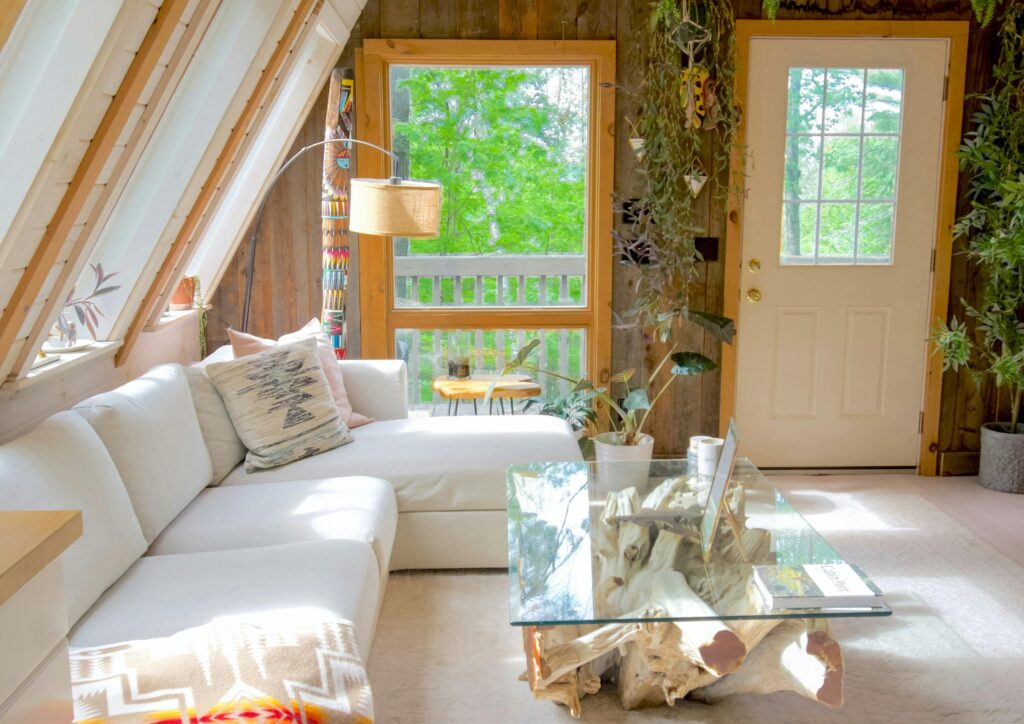
Person-centred design starts from a simple but powerful principle: spaces should be created with people in mind. Instead of applying generic solutions, this approach considers the needs, preferences, and daily experiences of those who live in a space. Lighting, colours, materials, furniture arrangement, and accessibility all influence how comfortable and empowering a place can feel.
This approach is particularly important in social housing services and supported living environments, where living spaces should promote autonomy, dignity, and emotional wellbeing. Small design interventions can have a significant impact: improving natural light, creating quiet areas, or adapting furniture to individual needs can help residents feel more at home.
Sustainability naturally complements this perspective. Sustainable design encourages the use of eco-friendly materials, responsible consumption, and respect for existing resources. It also promotes repairing, reusing, and creatively transforming objects instead of replacing them unnecessarily.
When sustainability and person-centred design come together, they contribute to a broader concept of “good living”: living environments that are healthy, comfortable, inclusive, and respectful of the planet.