
From the 25th to the 27th of November, the WellHome training of trainers of trainers took place in Pesaro, Italy. This milestone marks an important step in the project —a journey that the partner organisations, led by MeM (Mind Emotion Movement), have been shaping for almost a year.
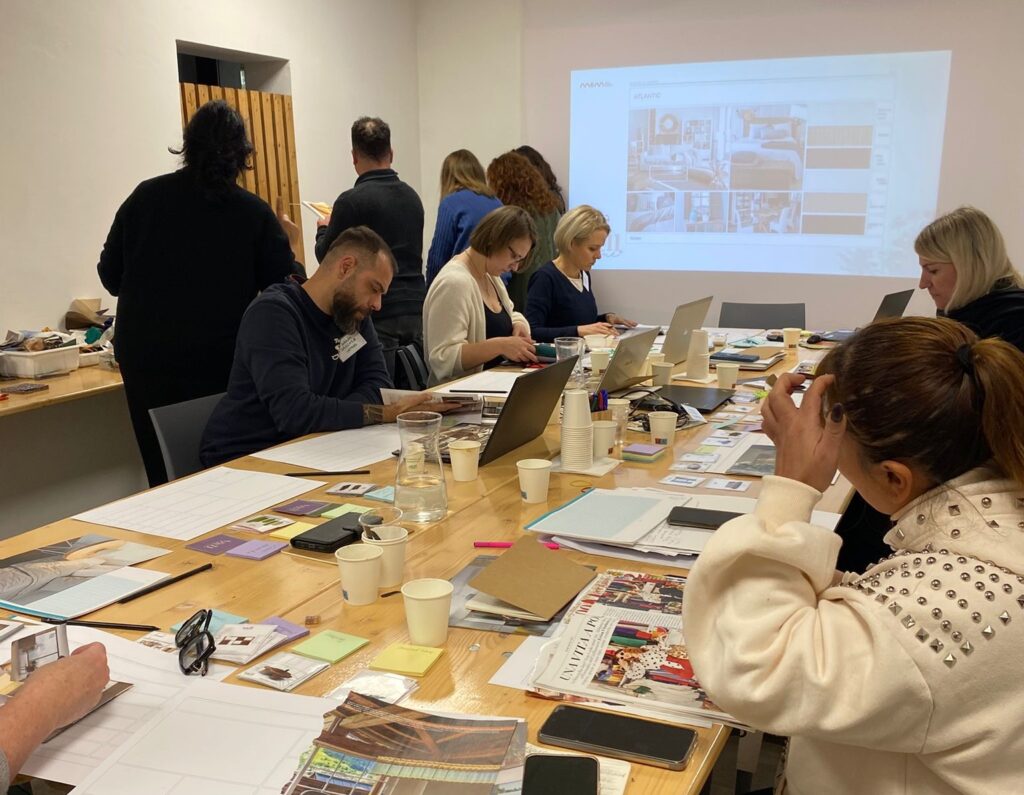
This training represents much more than a technical learning moment. It gives continuity to a process built on listening, research and dialogue with those who live and work in contexts of vulnerability, ensuring that the WellHome approach remains deeply connected to real needs and lived experiences.
Turning the complexity of living into accessible tools
From the very beginning, WellHome has pursued a clear objective:
to translate the complexity of living and inhabiting spaces into simple, useful and accessible tools. These tools are designed to support designers, social practitioners and communities in understanding the environmental and emotional needs of people, particularly those in vulnerable situations.
This vision is fully aligned with the MeM Method, which places human experience, perception and emotional awareness at the centre of the design process. It is precisely this expertise and long-standing methodological approach that led the WellHome partnership to select MeM as the key expert organisation guiding the development of the training programme.
An immersive and practical learning experience
During the training session in Pesaro, European project partners engaged in a series of immersive activities and hands-on tools.
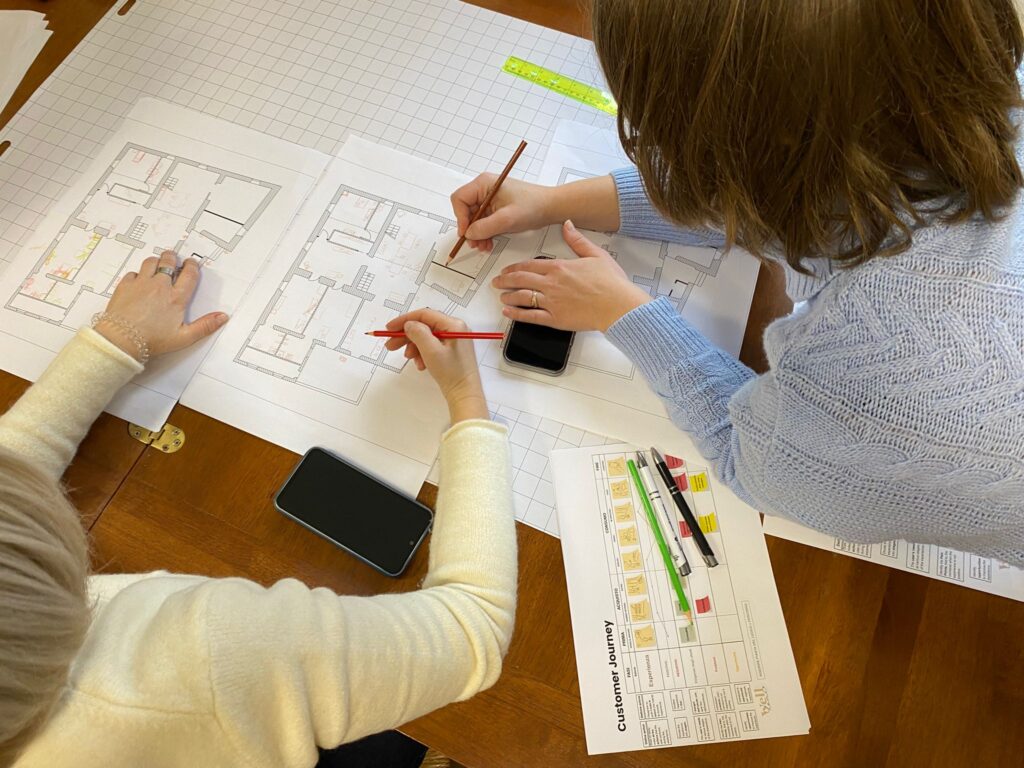
These tools help participants to understand personal experiences, activate perception, interpret cultural and social changes, and transform qualitative insights into concrete design decisions. Rather than focusing on aesthetics alone, the training encourages participants to reflect on how spaces are felt, lived and shared.
A realistic approach
A key strength of the WellHome Training of Trainers is its inclusive and realistic approach. As MeM explains:
“Our goal is not to turn social workers or educators into expert designers, but to provide concrete tools to read, interpret and improve everyday spaces -supporting the wellbeing, autonomy and dignity of the most vulnerable people.”
This approach is particularly relevant given the role of the other project partners, who work directly with people at risk of social and labour exclusion, specifically individuals with disabilities and mental health conditions. After completing the Training of Trainers, participants will be responsible for transferring this knowledge and methodology to the people they support on a daily basis, integrating it into their training pathways and employment inclusion processes.
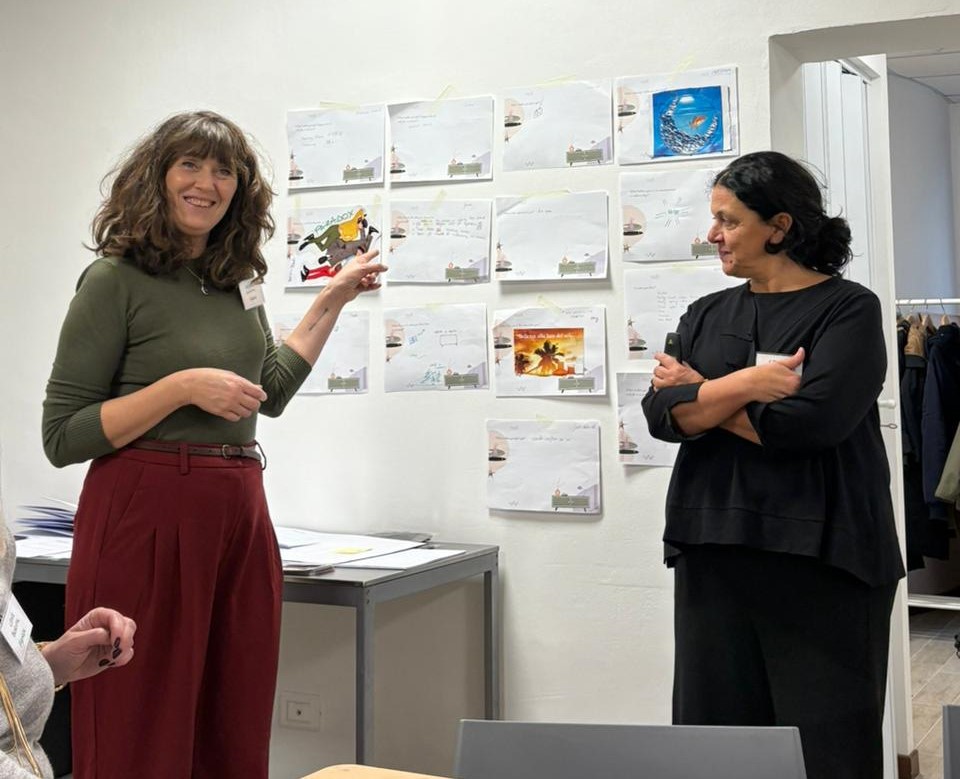
By equipping professionals with accessible design and wellbeing tools, WellHome strengthens their capacity to accompany learners not only in developing new skills, but also in gaining confidence, autonomy and real opportunities for social and professional inclusion.