
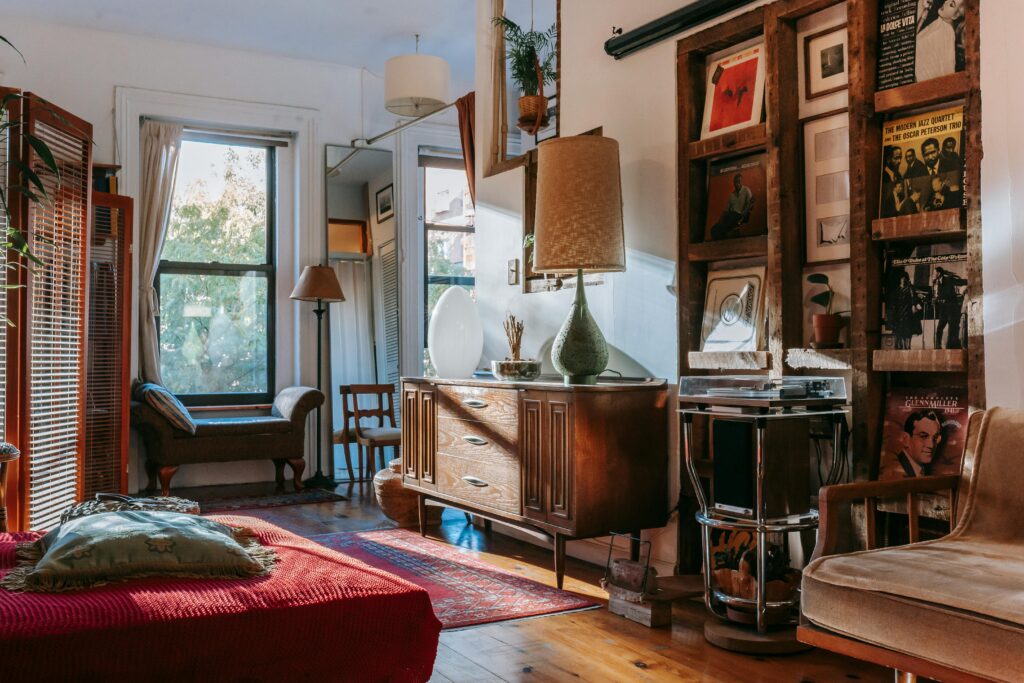
Understanding people and spaces: Key findings from the WellHome Needs Analysis
As part of the WellHome project, our team carried out an in-depth analysis to better understand
- How people living in vulnerable situations experience the spaces around them – and how those spaces can be redesigned to support their wellbeing.
- The training needs of the potential learners of the training programme wich will be developed in the framework of the project: people at risk of social and labour exclusion because of disabilities or mental health challenges mainly.
This work represents a crucial step in developing an inclusive training programme in Wellbeing Interior Design.
Why this analysis was needed
Many residential facilities hosting vulnerable people or individuals undergoing recovery—such as people with mental health conditions, disabilities, older adults, people experiencing homelessness, or survivors of violence—struggle to offer environments that are not only functional but also emotionally supportive. The WellHOME project aims to address this gap by combining principles from environmental psychology, colour theory, and UX design1.
To build an evidence-based foundation, we developed three survey tools:
- One for understanding the training needs of professionals.
- One for analysing the communication and learning needs of potential trainees with special educational needs.
- And a third one to assess environmental wellbeing and the emotional quality of residential spaces.
What we learned from professionals
Professionals from four partner organisations in Spain, Norway, Greece and Latvia completed the questionnaires. They work with users with cognitive, sensory, physical, psychosocial, or behavioural challenges.
Their responses highlight clear priorities:
1. Spaces with the greatest impact on wellbeing
- Private rooms are considered essential for security, autonomy, and personal identity.
- Bathrooms and relaxation areas greatly influence comfort.
- Common spaces shape social interaction and the welcoming atmosphere.
2. The emotional tone of current environments
- 60% described their spaces as cosy and reassuring.
- 30% found them neutral.
- 10% described them as cold or impersonal.
This shows that many environments lack emotional warmth and could benefit from targeted design improvements.
3. The most important design factors
Professionals unanimously emphasised:
- Natural light
- Calming colours
- The possibility of personalising spaces
- Natural elements and materials
- Comfortable, adaptable furniture
These elements are linked to emotional regulation, social connection, and a sense of belonging.
4. The main challenges
Several structural issues emerged:
- Insufficient natural lighting
- Incoherent or outdated furnishings
- Limited personalisation options
- Weak connection to nature
- Rigid layouts that limit both privacy and sociability
These shortcomings can hinder wellbeing and everyday comfort.
The convergences across all survey tools were striking:
- Professionals need accessible, practical training in design principles, colour, environmental psychology, and multisensory approaches.
- Trainees with special educational needs require hands-on trainings, simple explanations and short, concrete learning sessions.
- Environmental wellbeing depends on sensory balance, natural light, colour, and opportunities for expressing personal identity.
Together, these findings help shape the pedagogical and design direction of the WellHome training programme.
What this means for WellHOME
The results confirm that spaces are not passive backgrounds – they are active agents in wellbeing, autonomy, and emotional regulation. Therefore, the training programme will focus on:
- Colour design
- Natural light and multisensory balance
- UX-based observation tools (walkthroughs, interviews, mapping)
- Practical, modular lessons with strong visual support
- A learning-by-doing approach
- Clear guidance on when to involve professional designers
Looking forward
The next phase of the project will translate these insights into accessible learning modules, visual guidelines, and practical tools that educators and social workers can use in real settings. Our goal is to move beyond basic housing provision and toward regenerative environments that restore dignity, support emotional wellbeing, and enhance quality of life.
The WellHOME People & Scenario Analysis lays the groundwork for this vision – putting users, their stories, and their spatial experience at the centre of design.
- UX stands for User Experience. In the context of physical spaces, it refers to designing environments with the people who use them in mind, ensuring that the space is comfortable, easy to navigate, emotionally supportive, and adapted to their needs.
It’s about understanding how people perceive, interact with, and feel in a space, and using that understanding to create environments that enhance well-being, safety, accessibility, and overall satisfaction.
↩︎
Read more: